
Secondary Glazing
A second pane fitted inside your existing windows. Cuts noise and heat loss, keeps the original frames, and suits homes where double glazing is not an option.
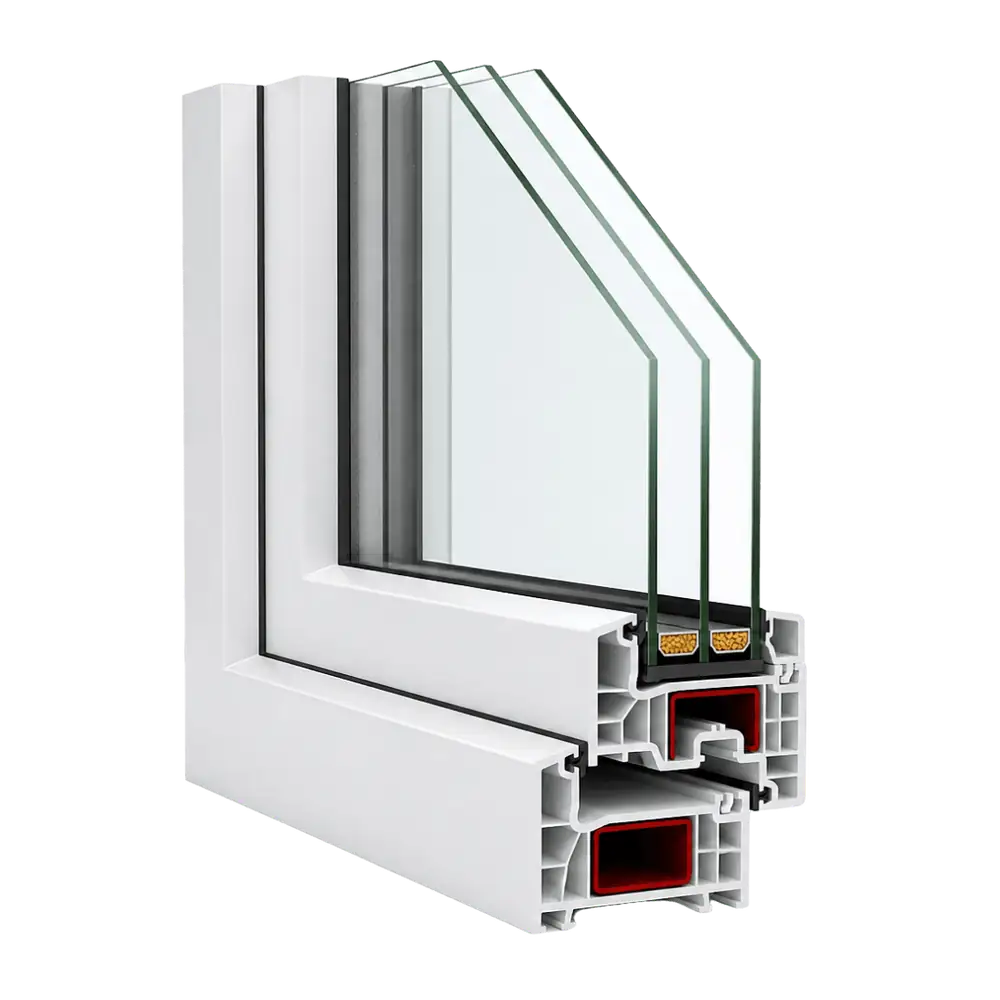
What is secondary glazing?
Secondary glazing is a slim, independent pane of glass in its own frame, fitted to the inside of your existing window. Your original window stays exactly where it is. The new pane sits a few centimetres behind it, on the room side, and the gap of still air between the two does the work.
Because nothing is removed or altered on the outside, it is the usual route for period homes, flats with shared facades and any property where the planning rules or a landlord will not allow replacement windows. It is also a sensible upgrade for single-glazed homes that want a warmer, quieter room without a full window swap.
-
✓Fitted from inside — No scaffolding, no removing your existing windows, no change to the street view of your home.
-
✓Slim aluminium frames — Powder-coated to blend with your decor, with discreet sightlines that follow the original window.
-
✓Choice of glass — Standard, acoustic laminated or low-emissivity glass depending on whether noise or warmth matters more to you.
-
✓FENSA registered — Installed by our own team and backed by our guarantee.
Which style suits your windows?
The right type depends on how your existing window opens and how often you need to reach it.
| Type | How it opens | Best suited to |
|---|---|---|
| Hinged | Swings inward like a door, on side hinges | Casement windows you open regularly |
| Horizontal sliding | Two or more panels slide sideways past each other | Wide windows, bays and patio-style openings |
| Vertical sliding | Panels slide up and down, with balances to hold them open | Traditional sash windows, matching the original lines |
| Lift-out | The whole pane lifts out of its frame when needed | Windows opened only occasionally, such as for cleaning |
| Fixed | Does not open; sealed in place for maximum performance | Fixed lights, stairwells and rooms where noise is the priority |
Benefits of Secondary Glazing
-
✓Noise reduction — The wide air gap between the two panes is very effective against traffic, trains and flight paths. With acoustic glass it often outperforms standard double glazing for sound.
-
✓Heat retention — Seals draughts around old frames and keeps warmth in the room, so single-glazed rooms feel noticeably more comfortable in winter.
-
✓Works where double glazing is not allowed — Listed buildings, conservation areas and leasehold flats can usually have secondary glazing because the original windows stay untouched.
-
✓No change to the outside of your home — The character of your property is preserved; from the street, nothing looks different.
-
✓Less condensation and better security — A warmer inner surface reduces misting on the glass, and a second locked pane is one more barrier to get past.
Secondary Glazing Cost
What sets the price
The cost of secondary glazing comes down to three things: the size of each window, the opening type you choose, and the glass specification. A fixed or lift-out unit is simpler than a vertical slider, and acoustic laminated glass costs more than standard float glass.
Compared with replacement
Because there is no removal, making good or external work, secondary glazing is generally less disruptive and quicker to fit than new double glazing. We will tell you honestly which option gives you better value for your home.
Get a figure
Use our estimate calculator for a guide figure in minutes, or book a free survey and we will measure up and quote for each window.
Secondary glazing in Dagenham, Romford and Ilford
LifeStyle Windows is a family-run installer based on Station Road in Dagenham. We fit secondary glazing across East London and Essex, and most of our work is within a short drive of our base.
Our area has a lot of the housing that secondary glazing suits best: Victorian and Edwardian terraces with original sash windows, 1930s semis with timber casements, and flats near the A12, A13, the Elizabeth line and the c2c route where road and rail noise is the main complaint. In Dagenham and Barking we are often asked for sliding units behind large front-room windows. In Romford and across Redbridge we fit a lot of vertical sliders to keep the look of period sashes. In Ilford, flats and converted houses with restrictions on external changes are a common call.
Every job starts with a free home survey. We measure each opening, talk through the type and glass that fit how you use the room, and leave you with a written quote. Installation is from the inside, so there is no scaffolding and very little mess. All work is FENSA registered and backed by our guarantee.
Secondary Glazing — Frequently Asked Questions
For noise, it is often better, because the gap between the panes is much wider than in a sealed double-glazed unit. For heat retention, modern double glazing usually has the edge, though secondary glazing still makes a big difference over single glazing. If you are free to replace your windows, our double glazing page explains that option.
In most cases no, because it is an internal fitting and the outside of the building does not change. That is why it is the standard choice for listed buildings and conservation areas. If your property is listed, we recommend a quick check with your local conservation officer, and we can help with that.
Yes. Hinged, sliding and lift-out units all give you access to the original window for ventilation and cleaning. Only the fixed type is sealed shut, and we normally suggest that only for windows you never open.
The frames are slim and can be colour-matched to your existing woodwork or walls. For sash windows we use vertical sliders so the horizontal meeting rail lines up with the original, which keeps the look of the window from inside the room.
Each unit is made to measure after the survey, then fitted from inside in a matter of hours rather than days. There is no external work, no making good to brickwork and very little disruption to the rest of the house.